 Cannabis facilities operate under a level of scrutiny that most commercial properties never face. Every aspect of the environment, from air quality to sanitation, is tied directly to compliance. When something goes wrong, it is not just a maintenance issue. It becomes a regulatory problem that can impact your ability to operate.
Water damage, mold, HVAC failures, or fire-related issues do more than disrupt production. They create conditions that can quickly violate state and local requirements. In many cases, operators are forced to halt operations until the issue is fully resolved and verified. That means lost revenue, potential product loss, and increased attention from regulators.
Restoration in a cannabis facility is not the same as standard commercial cleanup. It requires a controlled process that addresses contamination, documents every step, and ensures the space meets compliance standards before operations resume. Cutting corners or using general contractors without industry experience can lead to failed inspections and extended downtime.
Restoration HQ works with cannabis operators to manage both sides of the problem. Fast response to limit damage and a compliance-focused approach to ensure the facility is ready for inspection and operation. In this guide, you will see where facilities run into trouble, what proper restoration involves, and how to protect your operation from unnecessary risk and downtime.
Why Cannabis Facilities Have Unique Compliance Requirements
Strict Regulatory Oversight
Cannabis facilities are subject to strict regulatory standards that go beyond those of typical commercial properties. Every part of the operation must meet defined environmental and safety requirements.
- State and local regulations govern:
- Air quality
- Controlled environments to prevent contamination
- Sanitation
- Clean, sterile conditions for production and handling
- Environmental controls
- Temperature, humidity, and airflow must stay within set ranges
- Inspections can be:
- Scheduled
- Routine compliance checks
- Surprise visits
- Immediate evaluation of current operating conditions
- What this means for operators
- Compliance is continuous, not occasional
- Any issue must be addressed quickly and thoroughly
Impact of Non-Compliance
When a facility falls out of compliance, the consequences are immediate and often costly.
- Immediate consequences:
- Product loss
- Contaminated inventory may need to be destroyed
- Temporary shutdowns
- Operations may be paused until issues are resolved and verified
- Long-term risks:
- License suspension or revocation
- Threatens the ability to continue operating
- Reputation damage
- Loss of trust with regulators, partners, and customers
- Business impact
- Lost revenue during downtime
- Increased scrutiny on future inspections
Key Compliance Areas Affected by Damage
Damage in a cannabis facility does not stay isolated. It affects critical areas directly tied to compliance.
- Cultivation rooms
- Sensitive to humidity, mold, and air quality issues
- Any contamination can affect plant health and compliance
- Processing and extraction areas
- Require strict sanitation and controlled environments
- Damage can introduce contamination risks
- Storage and packaging zones
- Must remain clean and stable to protect the finished product
- Environmental issues can compromise inventory
These areas are closely monitored, and any disruption requires immediate attention to maintain compliance and avoid operational impact.
Common Issues That Trigger Restoration Needs
Water Damage and Moisture Control
Water is one of the most common and most damaging issues in cannabis facilities. With constant irrigation and controlled environments, even a small failure can escalate quickly.
- Sources:
- Irrigation systems
- Leaks or overflows in grow operations
- Plumbing failures
- Broken pipes or faulty connections
- HVAC condensation
- Excess moisture buildup from cooling systems
- Risks:
- Mold growth
- Develops rapidly in high-humidity environments
- Structural damage
- Weakens walls, flooring, and support systems
- Contaminated product
- Moisture exposure can make plants and stored materials unusable
Water issues must be addressed immediately to prevent widespread contamination.
Mold and Air Quality Issues
Cannabis facilities are especially vulnerable to mold due to the controlled humidity required for cultivation.
- High-humidity environments increase risk
- Ideal conditions for mold growth if not tightly controlled
- Mold can spread quickly in grow rooms
- Airflow systems can distribute spores across multiple areas
- What starts as a localized issue can become facility-wide
- Compliance concerns:
- Airborne contamination
- Fails air quality standards required for operation
- Failed inspections
- Immediate shutdown risk until remediation is complete
Mold is not just a maintenance issue. It is a direct compliance threat.
Fire and Smoke Damage
The equipment used in cannabis facilities increases fire risk, especially in cultivation and extraction areas.
- Electrical systems and grow equipment increase fire risk
- High energy usage and specialized equipment
- Potential for overheating or malfunction
- Smoke residue can contaminate:
- Surfaces
- Walls, ceilings, and equipment require deep cleaning
- Air systems
- HVAC systems can circulate smoke particles throughout the facility
Even minor smoke damage can require full-scale restoration to meet compliance standards.
HVAC and Ventilation Failures
HVAC systems are critical in cannabis facilities. When they fail, the entire environment becomes unstable.
- Critical for:
- Temperature control
- Maintaining proper growing and storage conditions
- Humidity management
- Preventing mold and maintaining compliance
- Issues:
- Contaminated ductwork
- Mold, dust, or smoke can spread through the system
- Poor air circulation
- Leads to uneven environmental conditions and increased risk of contamination
HVAC failures often go beyond repair. They require full system cleaning and validation to restore compliance.
What “Compliant Restoration” Actually Means
Beyond Basic Cleanup
Restoration in a cannabis facility is not just about making the space look clean. It is about returning the environment to a condition that meets regulatory standards.
- Restoration must meet regulatory standards
- Every step must align with state and local compliance requirements
- Work must be completed in a way that passes inspection
- Not just removing visible damage
- Hidden contamination must be identified and addressed
- Air systems, surfaces, and materials must be fully remediated
- What this means in practice
- A space can look clean but still fail compliance
- Proper restoration requires verification, not assumptions
Documentation and Reporting
Documentation is a critical part of the restoration process. Without it, even properly completed work may not pass inspection.
- Detailed records required:
- Damage assessment
- Source and extent of the issue
- Remediation steps
- What was done, how, and in what order
- Air quality results
- Proof that contamination has been removed
- Used for:
- Inspections
- Demonstrates compliance to regulators
- Insurance claims
- Supports coverage and reimbursement
- Why it matters
- Missing or incomplete documentation can delay reopening
- Proper records protect the business from future disputes
Sanitization and Decontamination
Cleaning in cannabis facilities must follow strict standards to avoid introducing new risks.
- Use of approved cleaning agents
- Products must be safe for regulated environments
- Avoid residues that could affect production
- Ensuring:
- No harmful residues
- Surfaces must be safe for cultivation, processing, and storage
- Safe environment for production
- Eliminates contamination risks before operations resume
- Key consideration
- Improper cleaning methods can create new compliance issues
Air Quality Verification
Air quality is one of the most critical factors in cannabis facility compliance. It must be tested and confirmed after restoration.
- Testing after restoration
- Independent verification of air conditions
- Confirms that remediation was successful
- Ensures:
- Mold spores removed
- Prevents recontamination
- HVAC systems are clean
- No circulation of contaminants throughout the facility
- Final outcome
- Facility is cleared for safe operation
- Meets regulatory requirements for air quality and environmental control
Compliant restoration is a controlled, documented process. Without these steps, a facility risks failing inspection even after the visible problem is addressed.
The Restoration Process in Cannabis Facilities
Initial Assessment
Every restoration project starts with a clear understanding of what happened and how far the issue has spread.
- Identify:
- Source of damage
- Water leak, HVAC failure, fire, or contamination source
- Extent of contamination
- Affected rooms, surfaces, and air systems
- Why this matters
- Determines the scope of work
- Prevents incomplete remediation that could lead to failed inspections
A thorough assessment sets the foundation for a compliant restoration process.
Containment and Protection
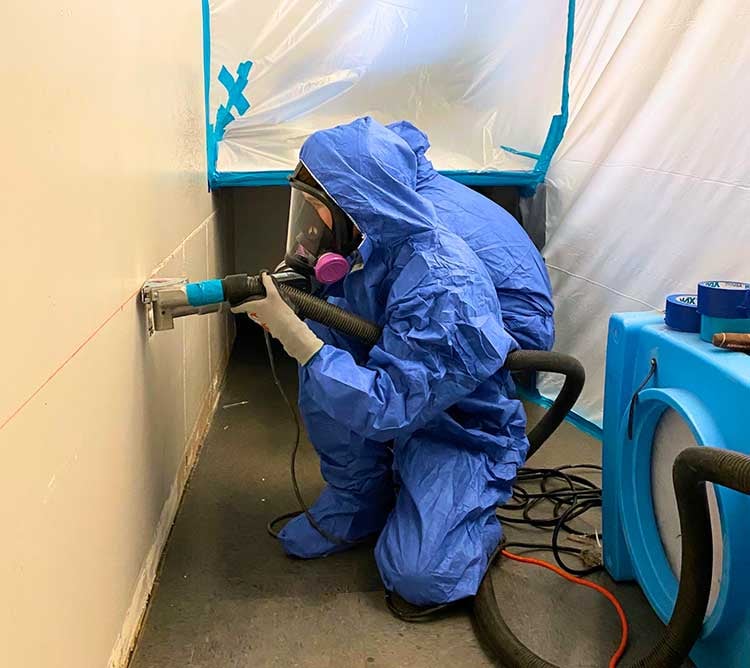
Before cleanup begins, the affected area must be controlled to stop the problem from spreading.
- Isolate affected areas
- Seal off contaminated zones
- Use barriers and negative air pressure where needed
- Prevent cross-contamination
- Protect unaffected cultivation, processing, or storage areas
- Limit the movement of air, debris, and contaminants
- Key objective
- Keep the issue contained while operations in other areas may continue
This step is critical in facilities where contamination can spread quickly through airflow.
Remediation and Cleanup
Once contained, the focus shifts to removing all sources of damage and contamination.
- Remove:
- Damaged materials
- Drywall, insulation, flooring, or other compromised structures
- Contaminated surfaces
- Clean and disinfect all affected areas
- What this involves
- Specialized equipment and cleaning methods
- Compliance-approved processes for regulated environments
- Goal
- Eliminate both visible and hidden contamination
Incomplete cleanup is one of the most common reasons facilities fail post-restoration inspections.
System Restoration
After cleanup, the facility’s systems must be restored to proper working condition.
- HVAC cleaning
- Remove contaminants from ductwork and air systems
- Ensure proper airflow and filtration
- Structural repairs
- Rebuild or repair damaged areas
- Restore surfaces to a compliant condition
- Why this matters
- Environmental stability is required for compliance
- Systems must function properly before operations resume
This step ensures the facility is not just clean, but fully operational.
Final Testing and Clearance
Before reopening, the facility must be verified as safe and compliant.
- Air quality testing
- Confirm removal of mold spores and contaminants
- Validate HVAC system cleanliness
- Compliance verification
- Ensure all restoration steps meet regulatory standards
- Provide documentation for inspections
- Final outcome
- The facility is cleared for production and operation
- Reduced risk of reinspection failure or shutdown
This final step is what separates basic restoration from compliant restoration.
Minimizing Downtime During Restoration
Fast Response Is Critical
In cannabis facilities, time is not just money. It is compliance. The longer an issue goes unaddressed, the more damage spreads and the higher the risk of regulatory impact.
- Delays increase:
- Damage severity
- Water spreads, mold grows, and contamination expands
- Compliance risk
- Conditions can quickly fall outside allowable limits
- What fast response accomplishes
- Contains the issue before it spreads
- Reduces the scope of restoration
- Protects product and operational areas
Immediate action is one of the most effective ways to control both cost and downtime.
Phased Restoration Approach
A phased approach allows restoration to happen while maintaining partial operations.
- Restore in sections where possible
- Isolate affected zones
- Prioritize critical areas first
- Keep unaffected areas operational
- Continue production where conditions remain compliant
- Minimize disruption to workflow
- Key benefit
- Reduces total downtime
- Maintains some level of revenue during restoration
This approach requires careful planning and proper containment to avoid cross-contamination.
Coordination With Facility Management
Restoration must align with the facility's operations. Without coordination, even well-executed work can create unnecessary disruption.
- Align restoration with:
- Production schedules
- Avoid critical production windows when possible
- Compliance requirements
- Ensure all work supports regulatory standards
- What effective coordination looks like
- Clear communication between the restoration team and facility managers
- Defined timelines and expectations
- Adjustments based on operational priorities
- Result
- Smoother restoration process
- Faster return to full operation
- Reduced the risk of compliance issues during and after the work
Minimizing downtime is not just about speed. It is about executing the restoration process in a way that keeps as much of the facility running as possible without compromising compliance.
How Restoration HQ Supports Cannabis Facilities
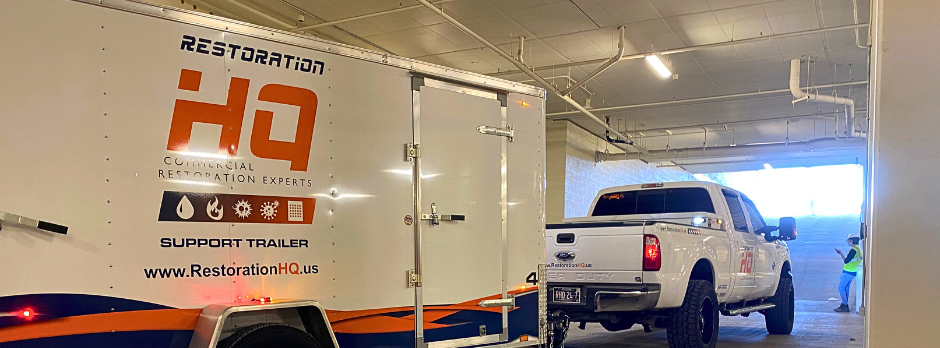
Industry-Specific Expertise
Cannabis facilities require a level of understanding that goes beyond standard commercial restoration. Restoration HQ is built around that reality.
- Understanding of:
- Compliance requirements
- Familiar with state and local regulations affecting cannabis operations
- Restoration processes aligned with inspection standards
- Facility operations
- Knowledge of cultivation, processing, and storage environments
- Awareness of how downtime impacts production and revenue
- Why this matters
- Reduces risk of failed inspections
- Ensures restoration work supports both compliance and operations
Rapid Response and Mitigation
Speed is critical when dealing with damage in a regulated environment. Restoration HQ focuses on immediate action to limit impact.
- Fast deployment to reduce damage
- Quick assessment and containment
- Immediate steps to stop the source of the issue
- Prevent escalation
- Limits the spread of water, mold, or contamination
- Reduces the overall scope of restoration
- Result
- Lower repair costs
- Shorter downtime
- Better chance of maintaining compliance
Full-Service Restoration
Cannabis facilities need a single partner who can handle every aspect of restoration without gaps or delays.
- Water, mold, fire, and air quality services
- Comprehensive response to all major damage scenarios
- Specialized processes for regulated environments
- End-to-end management
- From initial assessment through final clearance
- Includes documentation, remediation, repairs, and verification
- Key advantage
- One team manages the entire process
- Consistency, accountability, and faster completion
Restoration HQ provides a complete, compliance-focused solution that helps cannabis operators recover quickly and return to full operation with confidence.
Compliance Is Not Optional, and Restoration Must Meet It
In cannabis facilities, restoration is not separate from compliance. It is part of it. Every decision made during cleanup and repair directly affects whether your operation can continue or must shut down.
When damage happens in a cannabis facility, you need more than a cleanup crew. You need a partner who understands compliance, documentation, and how to get you back to operation without added risk.
If your facility has damage or compliance concerns, act immediately to prevent them from impacting your operation.
FAQs
Why is restoration different in cannabis facilities?
- Strict compliance requirements and contamination risks
How quickly should I respond to water or mold issues?
- Immediately, to prevent spread and compliance violations
Can my facility stay operational during restoration?
- In some cases, with phased restoration
What documentation is required after restoration?
- Damage reports, remediation steps, and air quality testing
Do I need a specialist for cannabis facility restoration?
- Yes, due to regulatory requirements
How do I prevent future compliance issues?
- Regular inspections, maintenance, and monitoring