

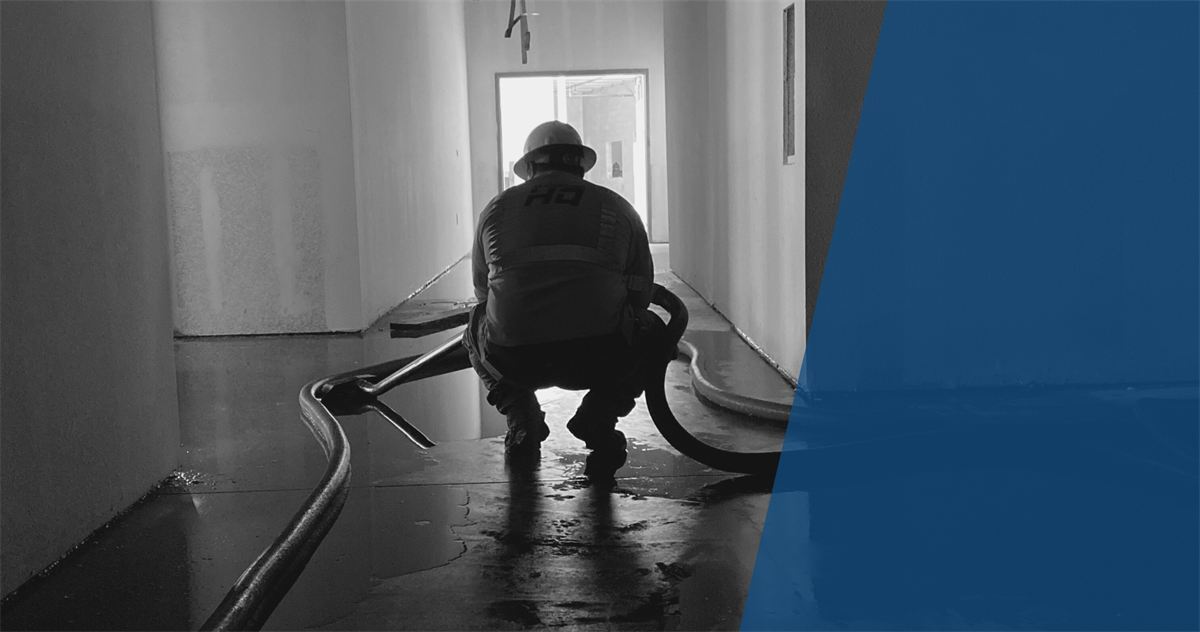
Water damage is one of the most disruptive events a commercial property owner can face. A burst pipe, roof leak, sprinkler malfunction, or storm-related flooding can halt operations within minutes. Offices close, tenants are displaced, equipment is damaged, and revenue stops while the property is repaired. For many business owners, the biggest mistake happens before the water damage event even begins. They do not have a plan in place for how restoration will be handled, who will respond, and how quickly operations can return to normal.
Commercial water damage restoration is very different from residential restoration. Commercial buildings involve larger spaces, more complex mechanical systems, multiple tenants, strict safety requirements, and significant financial impact when downtime occurs.
Business owners need a clear strategy to protect their buildings, tenants, employees, and revenue. Restoration HQ works with property owners, facility managers, and commercial organizations to help them understand the restoration process and make informed decisions when water damage occurs.
This guide explains what business owners should know about commercial water damage restoration and how proper planning with the right restoration partner can protect a property and the business operating within it.
Understanding Commercial Water Damage Risks
Common Causes of Water Damage in Commercial Buildings
Commercial properties face several common sources of water damage.
Plumbing failures remain one of the most frequent issues. Aging pipes, faulty connections, and pressure changes can cause leaks that affect multiple floors of a building.
Roof leaks are another major concern. Large commercial roofs are constantly exposed to the sun, storms, and temperature fluctuations. Over time, seams, flashing, and drainage systems fail.
Fire suppression systems can also cause unexpected flooding. Sprinkler systems are designed to activate during fires, but accidental discharge or freezing pipes can release large volumes of water.
HVAC systems sometimes produce hidden leaks that go unnoticed until significant damage has occurred.
Storm events can overwhelm drainage systems, allowing water to enter through doors, windows, and foundations.
Each of these events can quickly impact flooring, drywall, insulation, electrical systems, and valuable equipment.
The Financial Impact of Commercial Water Damage
Water damage in a commercial building affects far more than the physical structure. Business interruption often becomes the largest financial loss. When operations stop, revenue stops.
- Tenants may need to relocate temporarily or permanently.
- Inventory and equipment may be damaged.
- Mold growth can develop quickly when moisture is not removed properly.
- Insurance claims may become complicated when documentation is incomplete.
Commercial property owners who respond quickly with professional restoration services minimize these losses and restore operations much faster.
Why Commercial Water Damage Restoration Requires Specialized Expertise
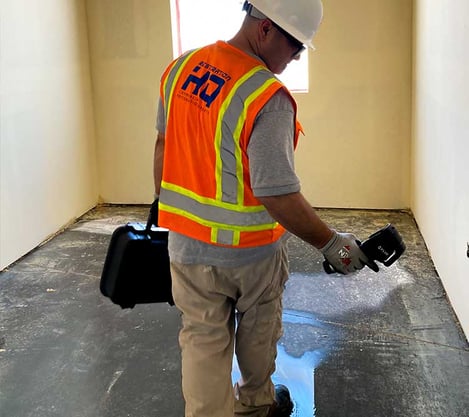 Larger Spaces and Complex Building Systems
Commercial buildings are significantly more complex than residential structures.
- Large open spaces require industrial drying equipment capable of managing thousands of square feet.
- Mechanical systems such as HVAC units, elevators, and electrical panels must be evaluated carefully before restoration begins.
- Multiple tenants or departments often share a single building, which complicates restoration logistics.
Restoration HQ works with experienced commercial restoration professionals who understand how to stabilize large properties without creating additional disruptions.
Business Continuity and Operational Downtime
Every hour of downtime has financial consequences.
- Restaurants lose reservations.
- Manufacturers halt production.
- Offices delay services to clients.
- Retail stores close to customers.
Commercial restoration strategies focus on minimizing business interruption. Restoration professionals often divide projects into phases so unaffected areas can continue operating while damaged areas are repaired.
Compliance and Safety Considerations
Commercial restoration projects must follow safety regulations.
- Work areas may require containment barriers to prevent contamination.
- Air filtration systems are used to control dust and moisture during restoration.
- Special procedures are required when dealing with contaminated water or sewage backups.
Restoration HQ helps business owners understand these requirements so restoration work proceeds safely and efficiently.
What Business Owners Should Do Immediately After Water Damage
Stop the Source of Water
The first step is always to identify and, if possible, stop the water source. Shutting off water supply lines, isolating plumbing systems, or addressing roof leaks can prevent further damage. Facility managers or maintenance teams should be familiar with the building’s water shutoff locations.
Protect People and Property
Electrical systems may need to be turned off in affected areas. Employees and tenants should avoid standing water or unstable flooring. Sensitive equipment and inventory should be moved away from the damaged area if it is safe to do so.
Contact a Commercial Restoration Professional
Commercial restoration companies, like Restoration HQ, respond quickly with specialized equipment. Water extraction begins immediately to prevent further saturation. Moisture-detection equipment identifies hidden water within walls, floors, and ceilings. Industrial drying systems are installed to remove moisture from the building structure.
Restoration HQ connects business owners with restoration professionals who understand the urgency and complexity of commercial projects.
The Commercial Water Damage Restoration Process
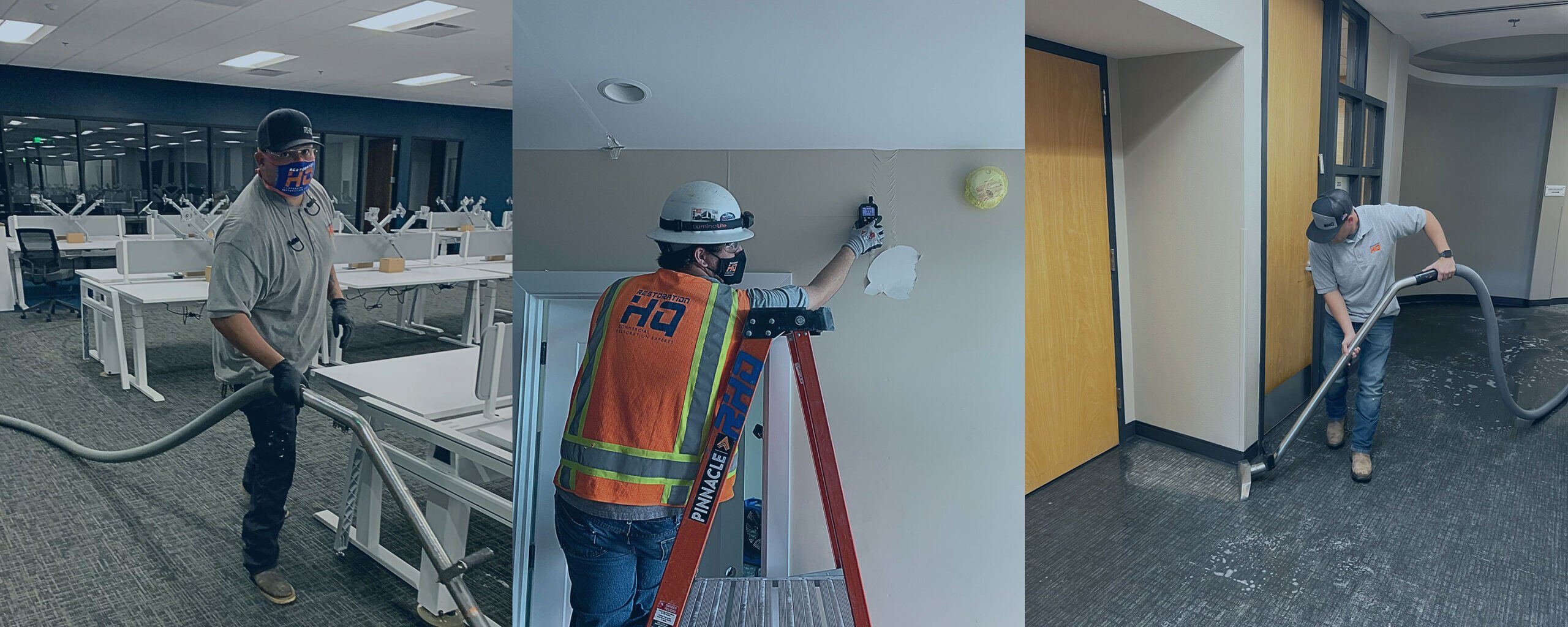 Damage Assessment and Inspection
The first stage of restoration involves a thorough inspection. Technicians identify the source of water and categorize the contamination level. Moisture meters and thermal cameras help locate hidden moisture behind walls and beneath flooring. A restoration plan is developed based on the size and severity of the damage.
Water Removal and Extraction
Commercial-grade pumps and extraction equipment remove large volumes of water. Carpet, padding, and damaged materials may need to be removed if they cannot be dried effectively.
Structural Drying and Dehumidification
After water removal, drying becomes the primary focus. High-powered air movers increase evaporation. Industrial dehumidifiers remove moisture from the air. Technicians monitor moisture levels daily to confirm that materials are drying properly.
Cleaning and Sanitization
Contaminated water may require additional sanitation procedures. Antimicrobial treatments help prevent mold growth. Air filtration systems remove airborne contaminants during restoration.
Repairs and Reconstruction
Once the structure is dry, repair work begins. This may involve replacing drywall, flooring, insulation, or cabinetry. In some cases, full reconstruction of affected areas is required.
Restoration HQ works with restoration professionals who coordinate the entire process, allowing business owners to focus on running their companies.
Why Business Owners Should Plan Before Water Damage Happens
Faster Emergency Response
Businesses that already know who to call respond much faster when water damage occurs. Delays often happen when property owners begin searching for restoration companies after the damage has started. Pre-established restoration partnerships eliminate this delay.
Reduced Business Interruption
Restoration companies familiar with a property can mobilize faster. They understand the building layout, mechanical systems, and operational priorities. This preparation allows restoration crews to begin mitigation immediately.
Better Insurance Claim Documentation
Commercial restoration requires detailed documentation for insurance claims. Moisture readings, photographs, drying reports, and repair estimates must all be recorded accurately. Experienced restoration professionals help ensure the claim process moves forward smoothly.
Restoration HQ helps business owners understand how this documentation process works and how to prepare in advance.
Choosing the Right Commercial Water Damage Restoration Partner
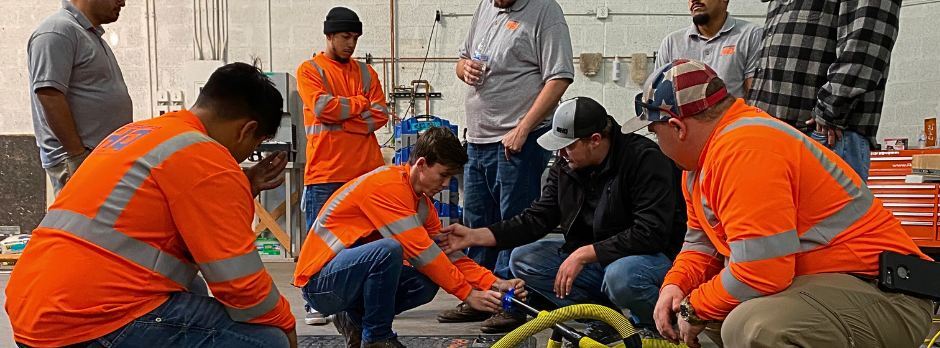 Experience With Commercial Properties
Not all restoration companies handle large commercial projects. Business owners should work with companies that have experience restoring office buildings, warehouses, retail spaces, and multi-unit properties.
Rapid Emergency Response
Commercial restoration companies should offer 24-hour emergency response. Fast response times reduce structural damage and shorten recovery timelines.
Professional Documentation and Insurance Support
Insurance claims require thorough documentation. Restoration teams must maintain detailed records of moisture levels, drying progress, and repair estimates.
Clear Communication With Business Owners
Business owners need frequent updates about restoration progress. Clear communication helps coordinate tenant access, repairs, and operational schedules.
Restoration HQ helps connect business owners with restoration professionals who meet these standards.
How Restoration HQ Helps Business Owners Prepare for Water Damage
Expert Guidance on Commercial Restoration
Restoration HQ provides business owners with clear information about water damage risks, mitigation strategies, and restoration planning.
This knowledge allows property owners to make better decisions when emergencies occur.
Connecting Businesses With Trusted Restoration Professionals
Restoration HQ works with experienced restoration professionals who understand commercial projects and the urgency of business interruption.
These professionals respond quickly and follow industry best practices for mitigation and restoration.
Resources for Commercial Property Protection
Business owners can access educational resources that explain:
- How commercial restoration projects are managed
- How to prepare buildings for emergencies
- What documentation is required for insurance claims
- How restoration timelines are structured
This information helps business owners protect their investments and minimize disruption in the event of water damage.
Protect Your Business With the Right Restoration Plan
Water damage in a commercial building is never convenient. When it happens without preparation, it can quickly disrupt operations, damage property, and create long-term financial losses.
Business owners who prepare in advance gain a major advantage. They respond faster, stabilize the property more quickly, and return to normal operations sooner.
Commercial water damage restoration requires specialized equipment, experienced technicians, and a clear mitigation strategy. Understanding the restoration process and working with experienced professionals makes a major difference when emergencies occur.
Restoration HQ helps business owners navigate these challenges with expert guidance, trusted resources, and access to experienced restoration professionals who understand commercial properties.
Have an Emergency?
If you are currently experiencing water damage in your commercial property, contact Restoration HQ right away. Our team understands the urgency of commercial water damage and works quickly to connect you with experienced restoration professionals who can begin mitigation and stabilization immediately.
Frequently Asked Questions
How quickly should commercial water damage be addressed?
Water damage should be addressed immediately. Moisture can spread through building materials within hours, and mold growth may begin within one to two days if drying is delayed.
Can businesses remain open during water damage restoration?
In many cases, yes. Restoration teams often isolate damaged areas while allowing other parts of the building to remain operational.
Does insurance cover commercial water damage restoration?
Many insurance policies cover sudden water damage events such as burst pipes or storm damage. Coverage varies depending on the policy, so property owners should review their insurance details.
How long does commercial water damage restoration take?
The timeline depends on the size of the building, the severity of the damage, and the materials affected. Smaller projects may take a few days, while larger commercial restorations may take several weeks.
How can businesses reduce water damage risks?
Regular building maintenance, plumbing inspections, roof inspections, and emergency planning all help reduce the risk and severity of water damage incidents.
