

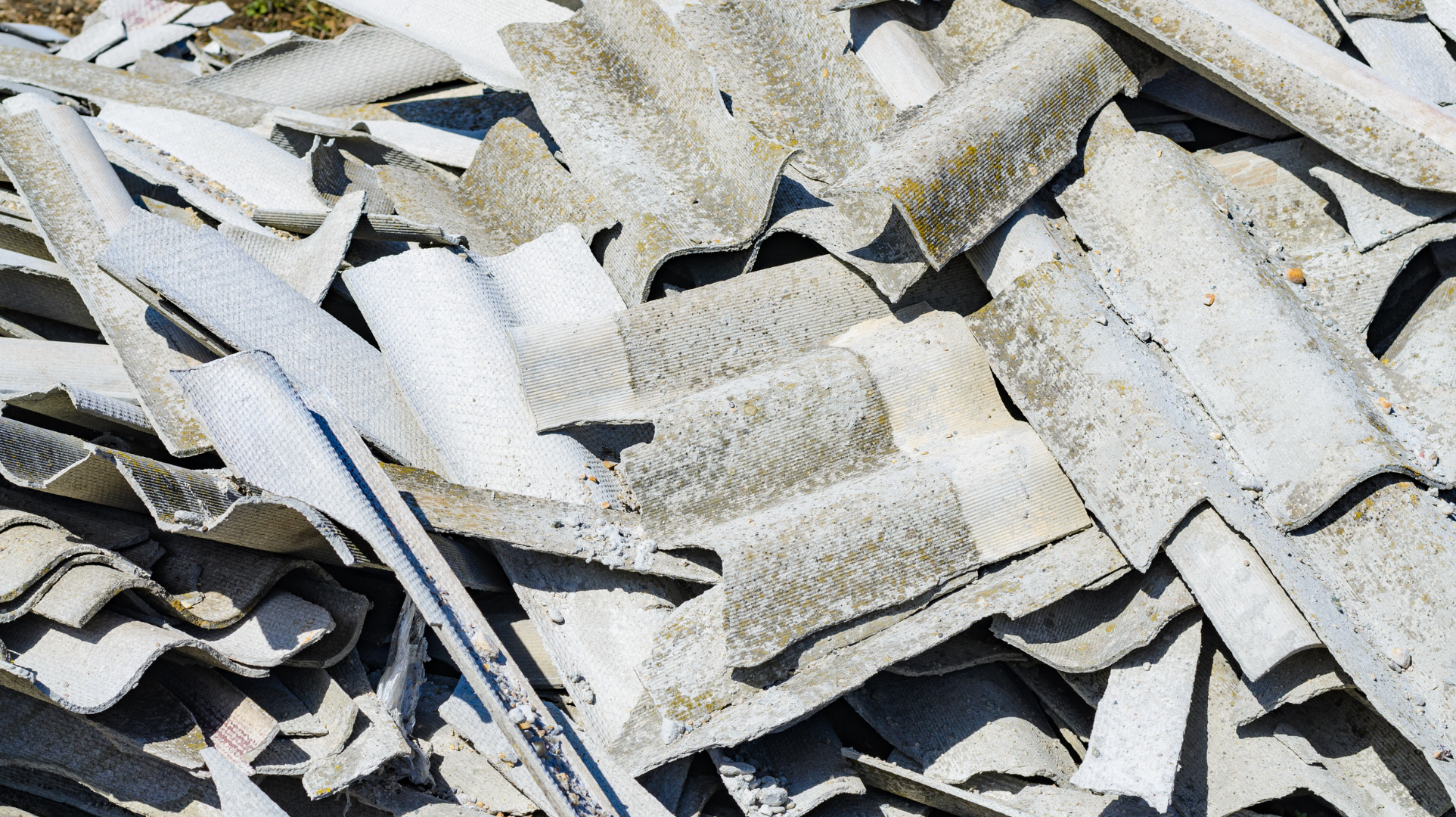
If your building was constructed before the 1980s, there’s a real possibility that asbestos is present somewhere in the structure. The challenge is that most property owners don’t know where to look or what actually indicates a problem. In many cases, asbestos sits undisturbed for years until a renovation, repair, or damage event brings it to the surface.
The biggest mistake people make is assuming they can identify asbestos on their own. Materials that contain asbestos often look identical to modern, non-hazardous products. At the same time, disturbing those materials without proper precautions can create a serious health risk.
For property managers and commercial building owners, this creates a difficult position. You need to know whether asbestos is present, but you also need to avoid making the situation worse by investigating it yourself.
What Asbestos Is and Why It Was Used
Common Uses in Construction
Asbestos was widely used for decades because of its durability and heat resistance. It was considered a practical solution for improving safety and longevity in buildings.
- Fire resistance and insulation properties made it widely used
- Helped slow the spread of fire
- Provided insulation for temperature control and energy efficiency
- Found in:
- Insulation materials
- Around pipes, boilers, and ductwork
- Flooring and adhesives
- Vinyl tiles and the glue used to secure them
- Roofing and siding products
- Cement-based materials designed for durability and weather resistance
Because it was used in so many applications, asbestos can still be present in multiple areas of older buildings.
Why It’s a Concern Today
The issue with asbestos is not its presence alone, but what happens when materials are disturbed.
- Safe when undisturbed, hazardous when damaged or airborne
- Intact materials typically do not release fibers
- Cutting, sanding, or breaking materials can release particles into the air
- Linked to serious health conditions:
- Lung disease
- Mesothelioma
- Regulations now restrict use and require proper handling
- Strict guidelines for inspection, removal, and disposal
- Only trained professionals should handle confirmed asbestos materials
Understanding this distinction is key. The risk comes from exposure, not just from the material's existence.
Buildings Most at Risk for Asbestos
The age of a building is one of the strongest indicators of whether asbestos may be present.
- Structures built before the 1980s are the highest risk
- Widespread use in both residential and commercial construction
- Key cutoff periods:
- Pre-1970s: heavy use
- Asbestos was commonly used in multiple materials throughout the building
- 1970s–1980s: declining but still present
- Use began to decrease, but many materials still contained asbestos
Even buildings from the late 1980s can contain asbestos in specific products, so age alone should not be the only factor considered.
Types of Properties
Asbestos was not limited to one type of structure. It was used across a wide range of building types.
- Commercial buildings
- Offices, retail spaces, and multi-unit properties
- Industrial facilities
- Higher likelihood due to heavy use of insulation and fireproofing materials
- Schools and public buildings
- Many were constructed during peak asbestos use periods
The broader the use of insulation and fire-resistant materials, the higher the likelihood that asbestos may be present.
Renovation History
Updates to a building can reduce or eliminate asbestos risk, but only if they are done thoroughly and correctly.
- Older buildings with no updates are more likely to contain asbestos
- Original materials are often still in place
- Partial remodels may still leave asbestos in hidden areas
- Behind walls, under flooring, or in ceilings
- Mechanical systems and insulation often remain untouched
Even if parts of a building have been updated, it’s common for asbestos-containing materials to remain in areas that were not disturbed during previous renovations.
Common Places Asbestos May Be Found
Interior Materials
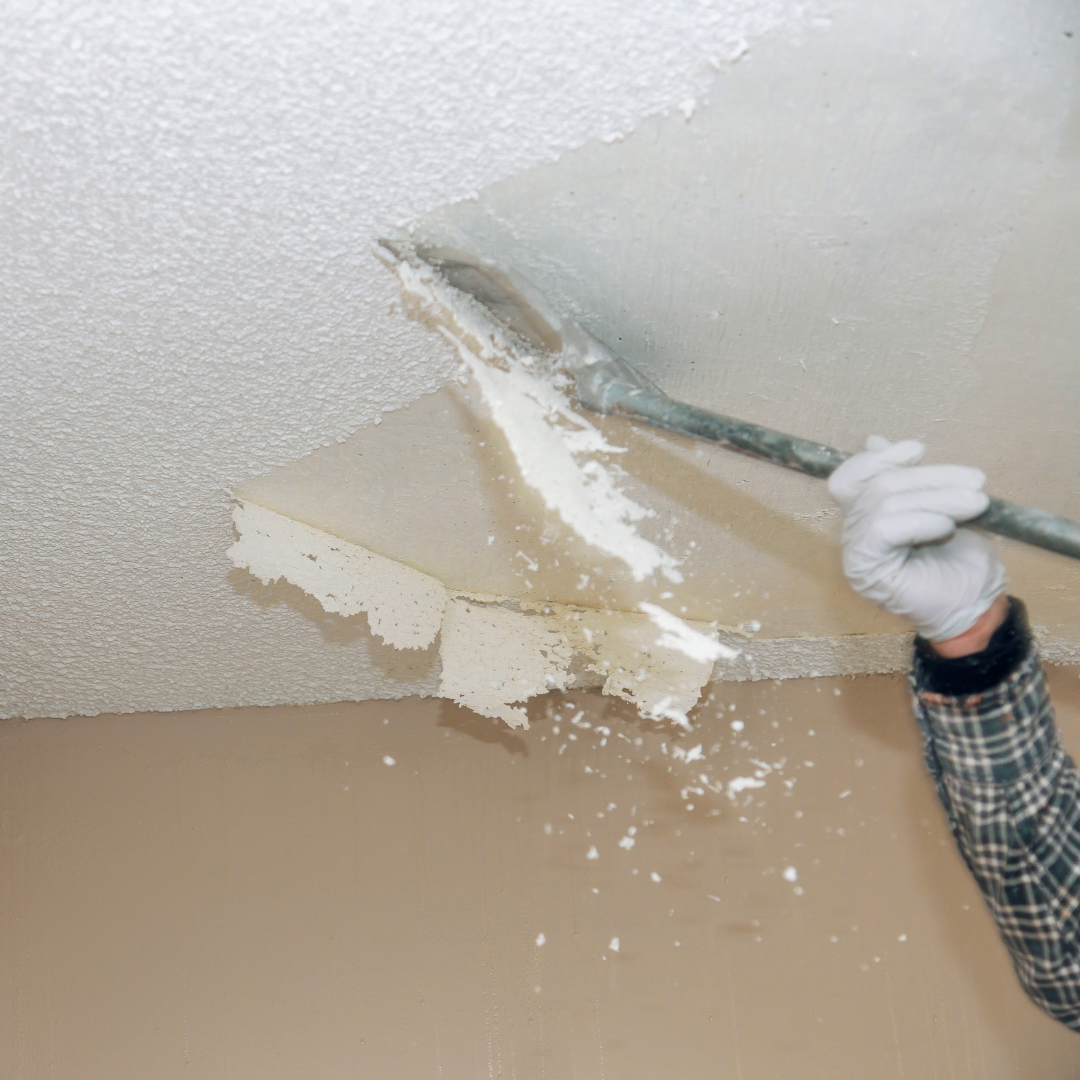
Many asbestos-containing materials are found inside the building, especially in areas that were finished decades ago. Popcorn ceilings and textured coatings are one of the most common examples. Vinyl floor tiles and the adhesives used beneath them are another frequent source, particularly in kitchens, bathrooms, and basements. Pipe insulation and duct wrapping were widely used to retain heat and improve fire resistance, typically located in utility areas or behind walls. Wallboard joint compounds, applied between drywall seams, can also contain asbestos and become a risk if sanded or disturbed.
Exterior Materials
Asbestos was also used extensively in exterior applications due to its durability and resistance to weather. Roofing shingles from older structures may still contain asbestos, especially if they have not been replaced. Siding panels made from cement-based materials were commonly manufactured with asbestos and can still be found in buildings. Other cement products used in construction may also contain asbestos, particularly in panels or structural elements designed for long-term performance.
Mechanical and Hidden Areas
Some of the highest-risk materials are located in areas that are not immediately visible or frequently accessed. HVAC systems may include asbestos in insulation around ducts and internal components. Boiler insulation in older heating systems often relied heavily on asbestos-based materials. Crawl spaces and attics are also common locations where insulation, old piping, and structural materials may remain undisturbed for years. These hidden areas are often overlooked, which is why a professional inspection is necessary to properly assess the presence of asbestos.
Signs That May Indicate Asbestos (But Are Not Confirmation)
Visual Clues
Certain materials and conditions can raise concern, especially in older buildings, but they should only be treated as potential indicators.
- Older, deteriorating insulation
- Common around pipes, ducts, or boilers
- May appear brittle, frayed, or breaking down
- Crumbling ceiling or wall textures
- Often found in popcorn ceilings or older drywall finishes
- Damage increases the risk of fiber release if asbestos is present
- Worn or damaged floor tiles
- Frequently seen in older vinyl flooring
- Cracks or breaks can expose underlying materials
Environmental Red Flags
Conditions within the space can also point to potential risk, particularly when materials have been disturbed.
- Dust buildup near old materials
- May indicate deterioration or breakdown of older construction components
- Areas disturbed during renovation
- Cutting, sanding, or demolition work can release fibers if asbestos is present
- Recently updated areas may still have hidden materials behind walls or under flooring
Important Clarification
- These signs do not confirm asbestos
- Visual inspection alone is not reliable
- Only lab testing can verify the presence
- Proper sampling and certified laboratory analysis are required
- Testing should always be handled by trained professionals
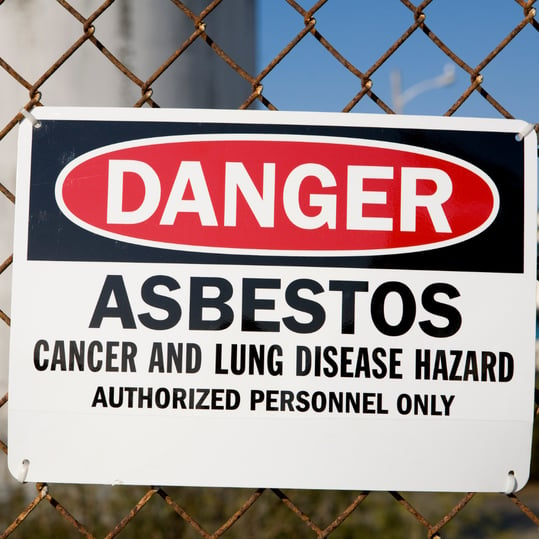
Why You Cannot Identify Asbestos on Your Own
Similar Appearance to Non-Hazardous Materials
Many asbestos-containing materials look the same as modern, non-hazardous alternatives, which makes visual identification unreliable.
- Many modern materials look identical to asbestos-containing ones
- Flooring, insulation, and ceiling textures often have no visible differences
- Even professionals cannot confirm asbestos without testing
Risk of Disturbing Materials
Trying to inspect or remove materials without proper training can create more risk than leaving them alone.
- Attempting to inspect or remove can release fibers
- Cutting, scraping, or breaking materials can make asbestos airborne
- Increases health risk
- Airborne fibers are the primary source of exposure
- Once released, they can linger in the environment
Legal and Safety Considerations
Handling asbestos is not just a safety issue. It also comes with legal responsibilities.
- Improper handling can lead to liability
- Property owners may be responsible for exposure to tenants, workers, or occupants
- Regulations require proper procedures
- Strict guidelines for testing, removal, and disposal
- Work must be performed by certified professionals following compliance standards
This is why asbestos should always be handled through proper inspection and testing, not personal assessment.
The Only Reliable Way to Confirm Asbestos
Professional Inspection
The first step in confirming asbestos is a proper inspection conducted by trained professionals.
- Certified inspectors assess potential materials
- Evaluate the age, condition, and type of materials present
- Identify areas most likely to contain asbestos
- Identify areas for sampling
- Target specific materials without unnecessary disturbance
- Focus on both visible and hidden risk areas
Laboratory Testing
Inspection alone is not enough. Confirmation requires controlled testing.
- Samples analyzed in certified labs
- Materials are carefully collected and sent for analysis
- Testing follows strict safety and regulatory protocols
- Confirms presence and type of asbestos
- Determines whether asbestos is present
- Identifies the specific type, which can impact how it is handled
What to Expect During Testing
Testing is designed to minimize risk while providing clear results.
- Minimal disturbance when done correctly
- Sampling is controlled to avoid releasing fibers
- Areas are handled with proper containment procedures
- Clear documentation of findings
- Detailed report outlining results
- Provides guidance for next steps if asbestos is found
This process removes uncertainty and gives you a clear, safe path forward.
What to Do If You Suspect Asbestos
Do Not Disturb the Area
The first priority is to avoid making the situation worse.
- Avoid cutting, sanding, or removing any materials
- Any disturbance can release asbestos fibers into the air
- Limit access to affected areas
- Keep occupants, employees, or tenants away
- Reduce movement that could disrupt materials
Isolate the Space if Possible
Containing the area helps reduce the risk of exposure.
- Keep people away from suspected materials
- Restrict entry until proper assessment is completed
- Prevent airflow disturbance
- Avoid using fans or HVAC systems that could spread particles
- Keep windows and doors closed if the area is contained
Contact a Professional
Once asbestos is suspected, the next step should always involve trained experts.
- Schedule inspection and testing
- Have certified professionals assess and collect samples safely
- Work with certified remediation experts
- Follow proper procedures if asbestos is confirmed
- Ensure compliance with safety regulations and guidelines
Taking the right steps early helps protect health, avoid contamination, and keep the situation under control.
The Risks of Ignoring Asbestos
Health Risks
Ignoring asbestos does not eliminate the risk. It increases the likelihood of exposure over time. Long-term exposure to airborne asbestos fibers is linked to serious health conditions, including lung disease and mesothelioma. One of the biggest challenges is that there are no immediate symptoms. Health issues can take years to develop, which means exposure may go unnoticed until significant damage has already occurred.
Financial Risks
Delaying action often leads to higher costs. If asbestos-containing materials are disturbed and fibers spread, the scope of remediation increases. What could have been a contained issue can expand into multiple areas of the building, requiring more extensive cleanup. Renovation projects are also frequently delayed when asbestos is discovered mid-project. Work must stop until testing and proper remediation are completed, which can disrupt timelines and budgets.
Legal Liability
Property owners and managers are responsible for maintaining a safe environment. If tenants, employees, or contractors are exposed due to unaddressed asbestos, it can lead to liability claims. In addition, there are strict regulations governing how asbestos must be handled. Failure to follow proper procedures can result in fines and compliance issues, adding another layer of risk.
How Restoration HQ Handles Asbestos Situations
Inspection and Assessment Support
Restoration HQ helps identify potential asbestos risks early, especially during restoration or repair projects where materials may already be exposed. They coordinate testing with certified professionals to ensure accurate results and provide clear guidance on the next steps based on those findings.
Safe Containment and Remediation
Handling asbestos requires strict safety protocols to prevent exposure and contamination. Restoration HQ follows established procedures to isolate affected areas, control airflow, and safely manage materials. This approach minimizes risk and ensures that surrounding areas are protected throughout the process.
Integration with Restoration Work
Asbestos is often discovered during water damage or fire damage restoration. Instead of treating it as a separate issue, Restoration HQ integrates asbestos handling into the overall project. This allows both the remediation and restoration work to move forward in a coordinated way, reducing delays and keeping the project on track while maintaining safety and compliance.
How to Plan Ahead for Asbestos in Your Building
Pre-Renovation Testing
Planning ahead starts before any work begins. If your building was constructed before the 1980s, testing should be part of the initial project scope, not an afterthought. Any remodeling, demolition, or repair work can disturb materials and create exposure risks if asbestos is present. Testing beforehand allows you to move forward with a clear understanding of what you’re dealing with and prevents costly interruptions once work is already underway.
Documentation and Compliance
Proper documentation is critical for both safety and liability. Records of inspections, testing results, and any remediation work should be maintained and easily accessible. This documentation helps demonstrate compliance with local and federal regulations and provides clarity for future projects, property transfers, or tenant concerns. Staying organized also reduces risk if questions arise about how materials were handled.
Ongoing Property Management
Managing asbestos is not always about removal. In some cases, materials can remain in place if they are intact and undisturbed. That requires ongoing monitoring to ensure conditions do not change. Regular checks of known asbestos-containing materials help identify damage early. If deterioration occurs, it should be addressed immediately to prevent fibers from becoming airborne and creating a larger issue.
Knowing When to Act on Asbestos Concerns
Asbestos is not something you can confirm by appearance alone. Many materials that contain it look the same as those that do not, which is why assumptions often lead to risk.
Older buildings are more likely to contain asbestos, especially if they have not been fully updated. The risk increases when materials are disturbed during repairs, renovations, or damage events.
The safest approach is to rely on a structured process. Professional inspection identifies potential problem areas. Proper testing confirms whether asbestos is present. Controlled remediation ensures the issue is handled safely if it is found.
Acting early makes a difference. It reduces health risks, prevents project delays, and avoids the higher costs that come with contamination spreading.
If you suspect asbestos in your commercial building, do not take chances.
Contact Restoration HQ for an assessment and guidance on next steps. Get clear answers about your situation and a plan to handle it safely, efficiently, and in compliance with regulations.
FAQs
Can I tell if a material has asbestos just by looking at it?
No. Asbestos cannot be identified visually. Materials that contain asbestos often look identical to those that do not. Laboratory testing is required for confirmation.
Is asbestos dangerous if left alone?
It is generally considered low risk when it remains intact and undisturbed. The danger comes when materials are damaged, cut, or disturbed, which can release fibers into the air.
What should I do before renovating an older building?
Have materials tested for asbestos before starting any work. This helps prevent exposure, avoids project delays, and ensures the renovation can move forward safely.
How long does asbestos testing take?
Most testing takes a few days, depending on how quickly the lab can analyze samples. Timelines can vary based on the scope of testing.
Do I need to remove asbestos if it’s found?
Not always. If the material is in good condition and not at risk of being disturbed, it may be managed in place. Removal is typically recommended when materials are damaged or will be impacted by planned work.
